How the Proposed Sysco Acquisition of Restaurant Depot Could Impact Your Favorite Local Restaurants
After years of navigating rising food costs, labor shortages, and economic uncertainty, Local Restaurants may soon face yet another major challenge. The proposed $29.1 billion acquisition of Restaurant Depot by Sysco—one of the largest food distributors in the world—has sparked concern across the restaurant industry.
For many independent restaurant owners, this isn’t just another business deal—it’s a shift that could directly impact how they operate, what they serve, and ultimately, what diners pay. And for communities that thrive on local dining, the ripple effects could be felt far beyond the kitchen.
What the Deal Means
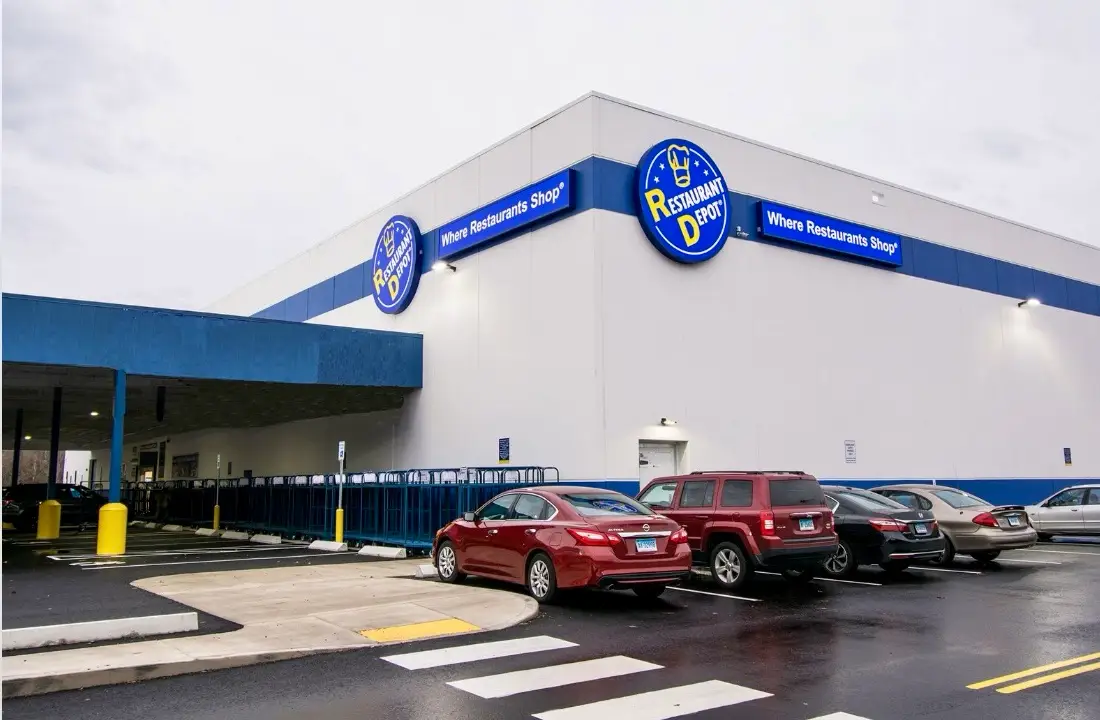
Sysco, which generated more than $81 billion in sales in fiscal year 2025, is looking to expand its reach by acquiring Restaurant Depot, a wholesale supplier with more than 160 warehouse locations across 35 states.
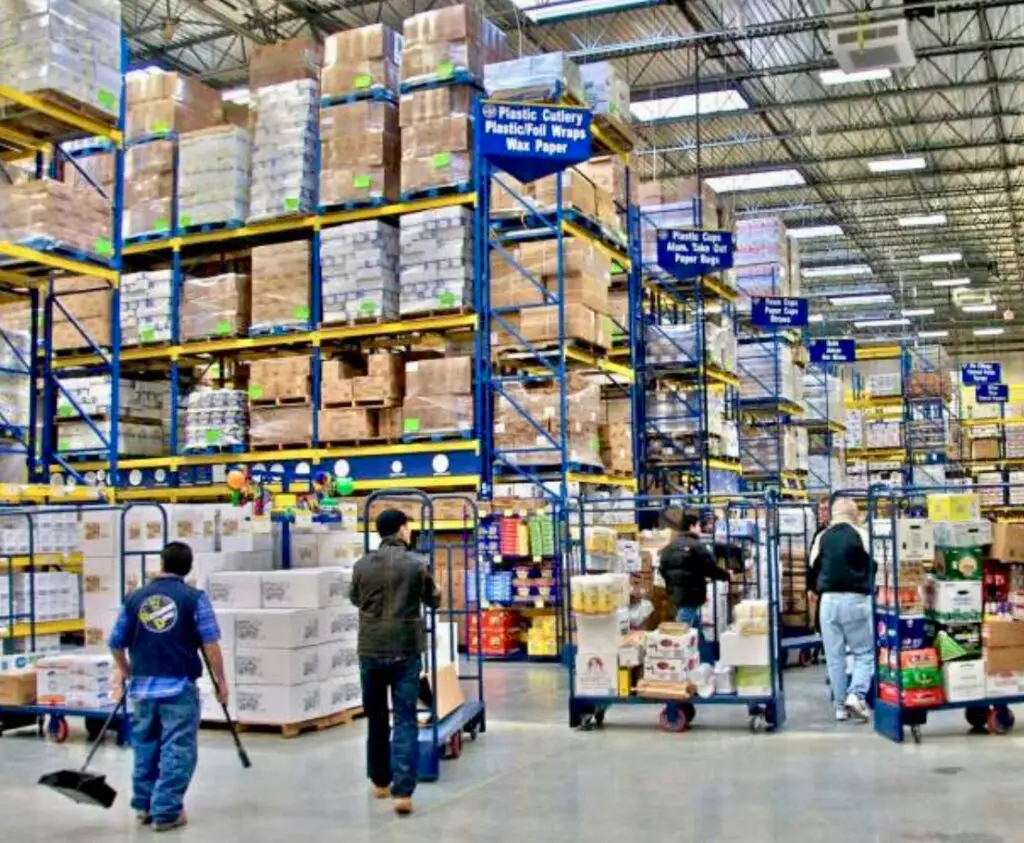
Restaurant Depot has long been a go-to resource for independent restaurant owners thanks to its “cash-and-carry” model—offering flexibility, no minimum orders, and competitive pricing without long-term contracts.
If approved (with a projected closing timeline of 2027), the deal would combine Sysco’s massive distribution network with Restaurant Depot’s warehouse model—significantly increasing Sysco’s control over the food supply chain.
Why This Matters for Local Restaurants
The Loss of a Critical “Safety Valve”
For small, independent restaurants, Restaurant Depot has served as a crucial backup plan. When distributor prices rise or supply issues occur, owners can turn to Restaurant Depot for immediate, affordable alternatives.
If that independence disappears under a larger corporate umbrella, restaurants could lose their ability to keep supplier pricing in check.
Rising Costs May Be Inevitable
With fewer competitors in the marketplace, Sysco would gain more control over pricing. Less competition often leads to higher costs—and for restaurants already operating on tight margins, even small increases can make a big impact.
That could translate to menu price increases, smaller portions, or tough decisions about what stays on the menu.
Less Flexibility, More Constraints
Independent operators rely heavily on flexibility—being able to purchase what they need, when they need it. Restaurant Depot’s model allows for quick, no-commitment buying.
A shift toward a more centralized system could mean stricter ordering requirements, less spontaneity, and fewer options for chefs who pride themselves on creativity.
The Risk of “Sameness”
One of the greatest strengths of Long Island’s dining scene is its diversity—unique menus, family recipes, and creative takes on cuisine.
With fewer suppliers and less variety in available ingredients, there’s a real concern that menus could become more standardized. In other words, the distinctiveness that makes local dining special could slowly fade.
What Restaurant Owners Are Doing
Restaurant owners aren’t sitting back. Many are already taking steps to prepare and push back, including:
Advocating through organizations like the Independent Restaurant Coalition
Reaching out to lawmakers and regulators, including the FTC
Exploring alternative and local suppliers
Locking in pricing agreements before potential changes take effect
For them, this isn’t just about business—it’s about survival.
How Diners Can Help
Support Local—Now More Than Ever
One of the most powerful ways to help is also the simplest: continue to dine local. Every reservation, takeout order, and positive review makes a difference.
Understand Potential Price Changes
If you notice menu prices rising, know that it may not be the restaurant’s choice—it may be the result of industry-wide cost increases. Supporting local means understanding the realities they’re facing behind the scenes.
Speak Up and Spread Awareness
Diners can also play a role by staying informed, sharing information, and even contacting local representatives to voice concerns about how this deal could affect small businesses in their community.
Standing Behind the Local Restaurants That Built Our Communities
Local Restaurants are more than just places to eat—they are the heart of our neighborhoods, built on passion, resilience, and connection.
The potential Sysco and Restaurant Depot merger represents yet another challenge in a long list of obstacles these businesses have faced. And while the future remains uncertain, one thing is clear: community support has never been more important.
By choosing to dine local, showing patience with price changes, and understanding the pressures behind the scenes, diners can help ensure that their favorite restaurants don’t just survive—but continue to thrive.
5 Outstanding Mexican Restaurants on Long Island That May Not Be on Your Radar